Thonia Font Review: Real Embroidery Insights for Makers
As a designer who spends hours tweaking stitch density and testing thread colors on everything from baby onesies to boutique tote bags, I approach every new embroidery file with a mix of excitement and skepticism. Recently, I put the Thonia font to the test before using it in a series of custom client projects. This isn't just another generic script; it is a hand-lettered design that brings a distinct personality to any surface. But does it hold up under the needle? Can it survive the rigors of a commercial embroidery machine while maintaining its cute, whimsical charm? After running several real-world scenarios, here is my honest take on how Thonia performs as a tool for your craft business.
The First Impression: Mood and Visual Personality
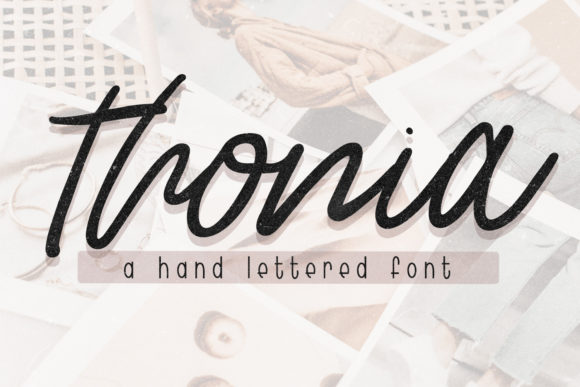
When you first open the Thonia Fonts collection, the immediate feeling is one of warmth and approachability. The letterforms are not rigid or perfectly geometric; they have a natural, organic flow that mimics the stroke of a brush or pen. This makes it an ideal choice for brands that want to appear friendly, artisanal, or family-oriented. Unlike many script fonts that can look messy when converted into stitches, Thonia maintains a clear structure even at smaller sizes. It feels like a design meant for celebration—perfect for wedding invitations, nursery decor, or those special handmade gifts that require a personal touch.
The "Script Amp" category often includes designs that are too decorative for practical use, but Thonia strikes a balance between style and readability. It creates a mood that is fun yet professional enough for a small shop product line. Whether you are creating a logo for a bakery or adding a name to a child's hoodie, this font suggests quality and care without being overly fussy.
Real-World Application: A Custom Tote Bag Project
To truly understand the capabilities of Thonia, I decided to use it for a specific project: a set of custom embroidered tote bags for a local artisan market. These bags were intended for sale as small shop products, meaning they needed to look polished, durable, and attractive from a distance. I selected a sturdy canvas fabric and chose a high-contrast thread color to ensure the text popped against the background.
The stitching process revealed the true character of the design. Because Thonia relies heavily on fluid lines, the machine handled the curves beautifully. The satin stitch areas flowed smoothly, capturing the elegance of the hand-lettering. When I held up the finished tote bag design, customers immediately responded to the aesthetic. It felt less like a mass-produced item and more like a unique creation. The font added value to the product, making it feel like a premium gift rather than a basic accessory.
I also tested Thonia on a sweatshirt embroidery project for a holiday gift. On the soft fleece material, the letters settled nicely, creating a cozy, inviting look. The design did not distort the fabric texture, which is a common issue with dense scripts. This versatility confirms that Thonia is a reliable asset for custom apparel across various garment types.
Where Caution Is Required
While Thonia is excellent for many applications, no single machine embroidery design works perfectly everywhere. There are specific scenarios where you need to exercise caution to avoid ruining a customer's order. For instance, if you plan to use this font on a curved surface like a baseball cap, the tension required for the tight curves might cause puckering if the stabilizer is not chosen correctly. The flowing nature of the letters means that on a highly curved brim, some characters might appear slightly stretched or compressed depending on the angle.
Another area to watch is small hoop sizes. If you are trying to fit a long phrase onto a tiny patch or a small baby bib, the fine details of the hand-lettering might get lost. In these cases, the individual strokes could merge together during the stitching process, reducing legibility. Similarly, on thin or stretchy fabrics like jersey knit, the density of the fill stitches might pull the material out of shape. Always consider the fabric texture and the intended size of the final product before committing to the design.
Dark fabrics present another challenge. While high contrast helps visibility, the density of the threads needed to cover dark backgrounds can make the design feel heavy. You may need to adjust the stitch density or add a layer of tear-away stabilizer to support the weight of the threads and prevent the fabric from bunching.
Impact on Brand and Customer Trust
In the world of Etsy sellers and creative entrepreneurs, the visual appeal of your work directly impacts customer trust. A sloppy or poorly executed font can make a handmade product look cheap, even if the materials are high quality. Thonia elevates the presentation because it looks intentional and well-crafted. When a buyer sees a clean, legible, and stylish script on a personalized gift, they perceive higher value in the item.
This font supports brand consistency for businesses that want to maintain a cohesive look across their digital product previews and physical goods. Whether you are printing mockups for social media or producing actual commercial embroidery orders, Thonia provides a professional finish that aligns with modern design trends. It signals to the customer that you pay attention to detail, which is crucial for building a loyal following in the craft business.
Practical Notes for Designers
Before you rush to download and start stitching, there are several technical steps you should take to ensure success. First, always test the design on scrap fabric that matches the weight and texture of your final project. This will help you identify potential issues with thread colors or tension before you commit to a customer's order.
Check the stitch density carefully. If the design feels too dense for the fabric type, consider adjusting the settings in your digitizing software or choosing a lighter stabilizer. Inspect small details closely; sometimes, what looks good on a screen can lose definition once stitched. It is also wise to create black and white mockups to see how the design translates to different lighting conditions and fabric colors.
Don't forget to review the licensing terms. If you are selling finished items made with this embroidery project, confirm that your license allows for commercial use. Some design assets are restricted to personal use only. Additionally, verify whether the file format you received is compatible with your specific embroidery machine and software. If the description mentions SVGs for graphic design, remember that you may need to convert them properly for machine embroidery to ensure the best results.
Finally, think about the end user. Will the product be washed frequently? For items like kitchen towels or aprons, ensure the stitching is secure and the thread quality is high enough to withstand repeated laundering. By taking these precautions, you protect your reputation and ensure that every piece of handmade product you release meets the highest standards of quality.