Pinky Script Embroidery Review: Real-World Design Judgment
I have spent years stitching custom apparel, creating boutique branding for small shops, and reviewing digital assets for the craft business. When a new design like Pinky lands on my desk, I do not just look at the shape of the letters; I imagine how it will behave under the needle, how it will hold up after twenty washes, and whether it adds value to a finished product that a customer might buy.
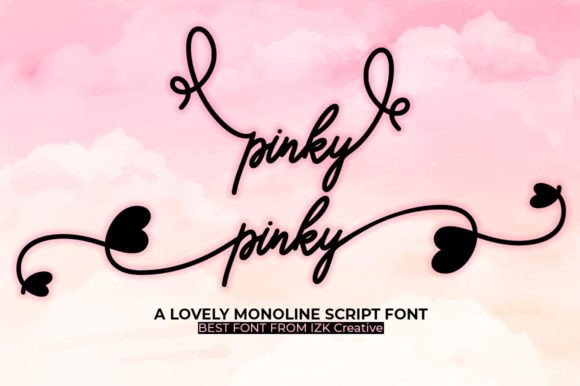
Pinky is marketed as a modern calligraphy design within the Script Amp Fonts category. On screen, it looks fluid and trendy. But embroidery is a physical medium where ink becomes thread, and pixels become texture. My goal here is to walk you through exactly how this design performs in real-life scenarios, from a high-volume Etsy listing to a one-off personalized gift.
The First Impression: Mood and Visual Personality
When I first opened the file for Pinky, the immediate feeling was one of approachability and warmth. Modern calligraphy often leans towards sharp, aggressive lines or overly formal flourishes. Pinky strikes a balance that feels organic rather than rigid. The curves are soft, suggesting a hand-written note rather than a printed sign.
This visual personality makes it naturally suited for projects that require a personal touch. It does not scream "corporate brand" but whispers "handmade with care." For an embroidery designer looking to create items that feel intimate, such as nursery decor or wedding gifts, this script offers a mood that connects immediately with the recipient. It creates a sense of nostalgia while maintaining a contemporary edge that fits well in modern home aesthetics.
Real-Life Scenario: The Custom Tote Bag Project
Let's imagine a practical situation. You are preparing a batch of tote bags for an upcoming craft fair. These are going to be sold as part of a set with handmade soaps or artisanal candles. You need a design that elevates the perceived value of the product without overwhelming the canvas fabric.
If I were using Pinky for this project, I would place it centrally on the front panel. The flowing nature of the script works beautifully on a flat surface like a tote bag. Unlike blocky fonts that can look stiff on woven material, the curves of Pinky mimic the natural drape of the fabric. When stitched, the satin stitches would catch the light differently than the background weave, adding a subtle dimensionality that makes the text pop without needing heavy fill stitches.
However, if you are selling these as commercial products, the clarity of the lettering is crucial. A busy pattern on the bag could compete with the script. In this case, Pinky shines because its clean lines allow it to stand out even against a textured background. It transforms a simple canvas bag into a statement piece that customers are willing to pay a premium for. It signals that the item inside is curated and special.
Performance on Apparel and Soft Goods
Moving beyond totes, how does Pinky translate to sweatshirts, baby clothes, and aprons? In the world of custom apparel, legibility is king. If a customer cannot read the message, the emotional impact is lost.
On a sweatshirt, the thicker fabric provides a stable base for the embroidery file. The script handles the slight give of the knit material well, provided the stabilizer is chosen correctly. For baby items, the soft aesthetic of Pinky is ideal. It avoids the harshness that sometimes comes with machine embroidery on delicate fabrics. The design feels gentle, which is essential when creating personalized gifts for infants or toddlers.
For kitchen towels and aprons, the script adds a touch of charm that fits the "farmhouse chic" trend popular among crafters. Whether used for holiday embroidery or everyday use, Pinky brings a cohesive look to the kitchen. It suggests a space that is lived-in and loved, rather than sterile and manufactured.
Where Caution Is Required
While Pinky is versatile, no single design is perfect for every application. As an experienced reviewer, I must highlight where this script might struggle. Small hoop sizes present a significant challenge. If the letters are too small, the intricate curves of the calligraphy may merge together, creating a blob rather than distinct characters. Always test the stitch density before committing to a final run.
Textured fabrics, such as heavy fleece or bouclé, can swallow fine details. The uneven surface might cause the needle to skip or the thread to break, ruining the smooth flow of the script. Similarly, stretchy fabrics require extra care. If the fabric stretches during stitching, the elegant curves of Pinky can warp, making the text look distorted.
Dense stitch areas should also be monitored. If you attempt to make the letters very thick, the fabric may pucker, especially on thin materials. Curved surfaces like caps are another potential pitfall. While possible, the script needs to be resized and adjusted specifically for the curvature of the hat brim or crown to ensure it reads correctly from the front.
Impact on Product Value and Brand Consistency
In the competitive landscape of Etsy sellers and small shop owners, presentation matters. A poorly executed font can undermine trust in a handmade product. Conversely, a well-chosen design like Pinky enhances the professional appearance of your brand.
When customers see a consistent, high-quality embroidery style across their products, they perceive the business as reliable. Using Pinky on everything from social media quotes to physical stickers creates a unified visual identity. It tells the buyer that you pay attention to detail. This consistency builds recognition and encourages repeat purchases.
Furthermore, the emotional connection fostered by this script increases the "giftability" of your items. People are more likely to give a personalized gift if the design feels warm and inviting. Pinky delivers that warmth, making it a strong asset for holiday embroidery projects or anniversary gifts.
Practical Designer Notes for Execution
Before you start stitching, there are several technical steps you must take to ensure success. Do not assume the design will work perfectly out of the box. First, test the design on scrap fabric that matches your intended project material. This allows you to check thread color contrast and observe how the stitches settle into the weave.
Review the stitch density carefully. If the file is too dense, it will be difficult to remove the stabilizer cleanly, leaving a rough finish. Confirm the hoop size needed for the specific layout you plan to use. Inspect small details in the script to ensure no tiny loops are missing or broken. It is also wise to test the design in black and white mockups to verify that the contrast holds up regardless of the actual thread colors chosen.
Always use proper stabilizer. For a script like Pinky, a cut-away stabilizer is often recommended for stability, especially on garments that will be worn frequently. Check whether the design works for both personal and commercial projects by reviewing the licensing terms. If you plan to sell finished items featuring Pinky, you must confirm that your license permits commercial use.
Finally, compare light and dark fabric backgrounds. The same thread color might look different depending on the underlying material. Adjust your thread selection accordingly to maintain the elegance of the script.
Final Thoughts on Pinky
Pinky is more than just a pretty font; it is a functional tool for designers who want to add a human touch to their mechanical creations. Its modern calligraphy style bridges the gap between digital trends and tactile craftsmanship. By understanding its strengths and limitations, you can integrate it seamlessly into your workflow, whether you are producing mass-market merchandise or crafting unique, one-of-a-kind pieces.
For those looking to elevate their embroidery projects, Pinky offers a compelling option. It respects the medium of thread while delivering a modern aesthetic that resonates with today's buyers. With careful testing and thoughtful application, this design can become a staple in your collection of design assets.