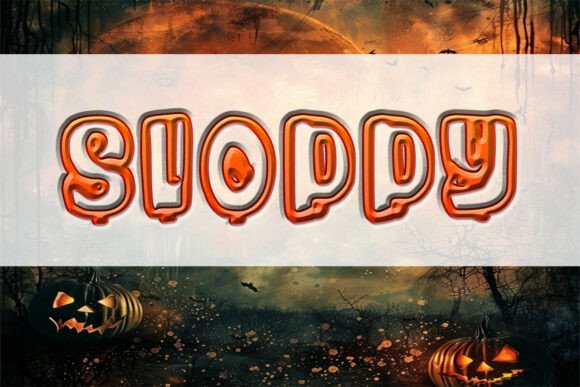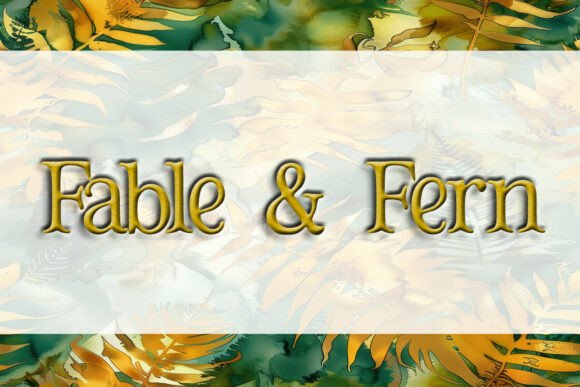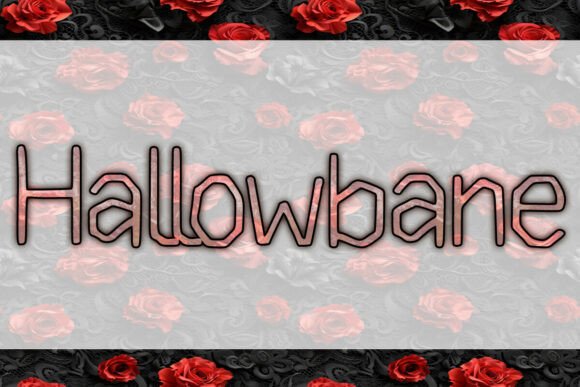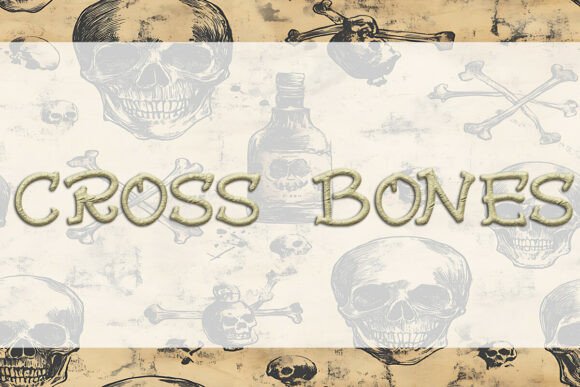
Texturized Fonts: A Display Asset for Handmade Creators
I recently received the Texturized font file with a clear mission in mind: I needed to refresh my Etsy shop's seasonal collection before the upcoming craft fair. As someone who spends hours every day cutting vinyl, designing sublimation wraps, and preparing digital downloads, I am very particular about the graphic design assets I bring into my workflow. When I first opened the folder, I was immediately drawn to the unique personality of this typeface. It does not feel like just another generic display font; it feels like it has been handcrafted, which is exactly what I look for when creating products for handmade businesses.
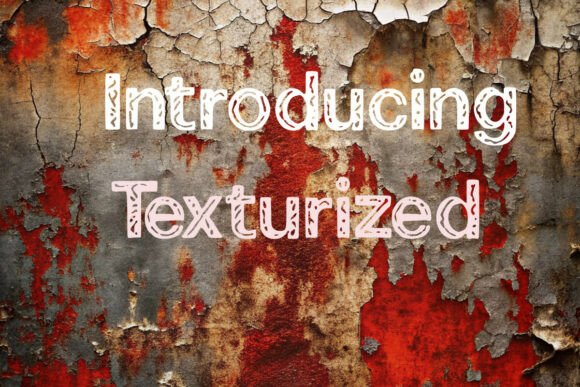
The description mentions that it is perfect for fashioning stylish t-shirts and crafting eye-catching stickers, and after testing it on several mockups, I can confirm that statement holds true. The texture adds a tactile quality that makes flat designs pop. In a crowded marketplace, having a font that conveys a specific mood is crucial. Texturized leans towards a rustic yet premium vibe, making it ideal for brands that want to appear artisanal, cozy, or boutique-style. Whether you are selling personalized gifts or printable planner pages, this asset helps establish a cohesive visual identity.
Bringing Texturized to Life on Cuts and Prints
My first real-world test involved a batch of custom tote bags for a local market. I wanted the text to look slightly worn and organic rather than perfectly digital. Using Texturized in my Silhouette Studio software, I found that the lines held up beautifully during the cutting process. The curves were smooth enough for clean weeding but had enough character to stand out against the fabric. For a Cricut project, the results were equally impressive. I paired the main headline in Texturized with a simple script font for the smaller details, and the combination created a balanced layout that felt both professional and inviting.
Beyond physical goods, this font shines in the world of digital products. I designed a set of gift tags using the PNG version of the design elements. The transparency worked perfectly when layering over different colored cardstock backgrounds. If you are creating printable wall art or planner stickers, the resolution is sharp enough to maintain detail even when scaled down. It transforms a standard digital product into something that looks like a high-end illustration. For those of you doing print-on-demand services, this asset allows you to create designs that don't look mass-produced, giving your small business branding a distinct edge.
Where This Design Asset Fits Best
After experimenting with various applications, I have identified specific scenarios where Texturized truly excels. It is an excellent choice for large cut files where the texture can be appreciated without getting lost. Think of large format signs for coffee shops, bold lettering on tumblers, or decorative accents on wedding invitations. The font works particularly well in seasonal craft bundles, such as Halloween or Christmas collections, because its textured nature evokes a sense of warmth and nostalgia.
- Product Mockups: Use it to label jars, bottles, or packaging to give them a ready-to-sell appearance.
- Sublimation Design: It creates beautiful patterns on mugs and tumbler wraps where the texture mimics a painted or stamped effect.
- Sticker Design: Perfect for die-cut stickers where the outline needs to be bold and the interior filled with interesting detail.
- Handmade Packaging: Add a touch of elegance to thank-you cards and shipping labels included in customer orders.
For creative entrepreneurs looking to expand their inventory, this font is versatile enough to be part of a larger design bundle. You can mix it with serif fonts for a classic look or sans-serif fonts for a modern contrast. It is also a great option for scrapbooking layouts where you need to emphasize titles without overwhelming the page with too many competing elements.
Crafting Caution: Where to Use It Carefully
While Texturized is a powerful tool, no single graphic design asset is perfect for every situation. As an experienced crafter, I learned quickly that there are limitations to keep in mind. Because of the textured nature of the letters, it should be used carefully with very small cutting details. If you try to scale the font down to a size smaller than 0.5 inches, the intricate parts of the characters may become difficult to weed or may break apart during application.
Similarly, avoid using this font in crowded compositions. If you pack too much text together, the texture can make the words look muddy and hard to read. This is especially important for low-contrast colors. If you plan to use white text on a light background, the lack of definition might cause the message to get lost. For layered vinyl projects, ensure that the layers align perfectly, as the texture can sometimes hide minor registration errors.
It is also worth noting that if your target audience includes customers who need clean, readable shapes for accessibility reasons, a simpler font might be a better choice. However, for decorative accents and artistic statements, Texturized remains a top contender. Always preview your PNG transparency on the actual material you intend to use, whether it is dark vinyl, white paper, or a colored mug, to ensure the design maintains its impact.
Practical Notes for Selling Finished Products
Before you start selling finished products or offering these designs as commercial licenses, there are several technical steps you must take to protect your reputation and your business. First, always test the file before producing a full batch of items. Check if the SVG lines are clean and free of unnecessary nodes that could cause cutting errors. If you are using the PNG design for sublimation, confirm the resolution is high enough to prevent pixelation when printed at large sizes.
Color accuracy is another critical factor. Test your colors before printing on expensive materials like mugs or t-shirts. Sometimes digital colors shift when transferred to physical media, so placing the design on real mockups is essential. You should also resize the font for different products; a size that looks good on a large poster might be illegible on a small sticker. If the layout feels too complex, do not hesitate to simplify it by removing extra flourishes.
Finally, and perhaps most importantly, confirm your commercial license. Ensure that the purchase agreement allows you to use the font for customer orders, handmade business branding, and resale of physical goods. Many creators overlook this step, leading to potential legal issues later. With the right permissions, Texturized becomes a valuable addition to your toolkit, helping you create unique items that resonate with buyers.
In conclusion, diving into the world of design with Texturized has significantly upgraded my production capabilities. It brings a unique touch to any project it graces, from stylish t-shirts to eye-catching stickers. By understanding its strengths and respecting its limitations, you can leverage this font to build a stronger brand and create higher-quality handmade products. Whether you are a hobby maker or a serious small business owner, this display font offers the versatility needed to succeed in today's competitive creative marketplace.